A witness you can clip onto any container.
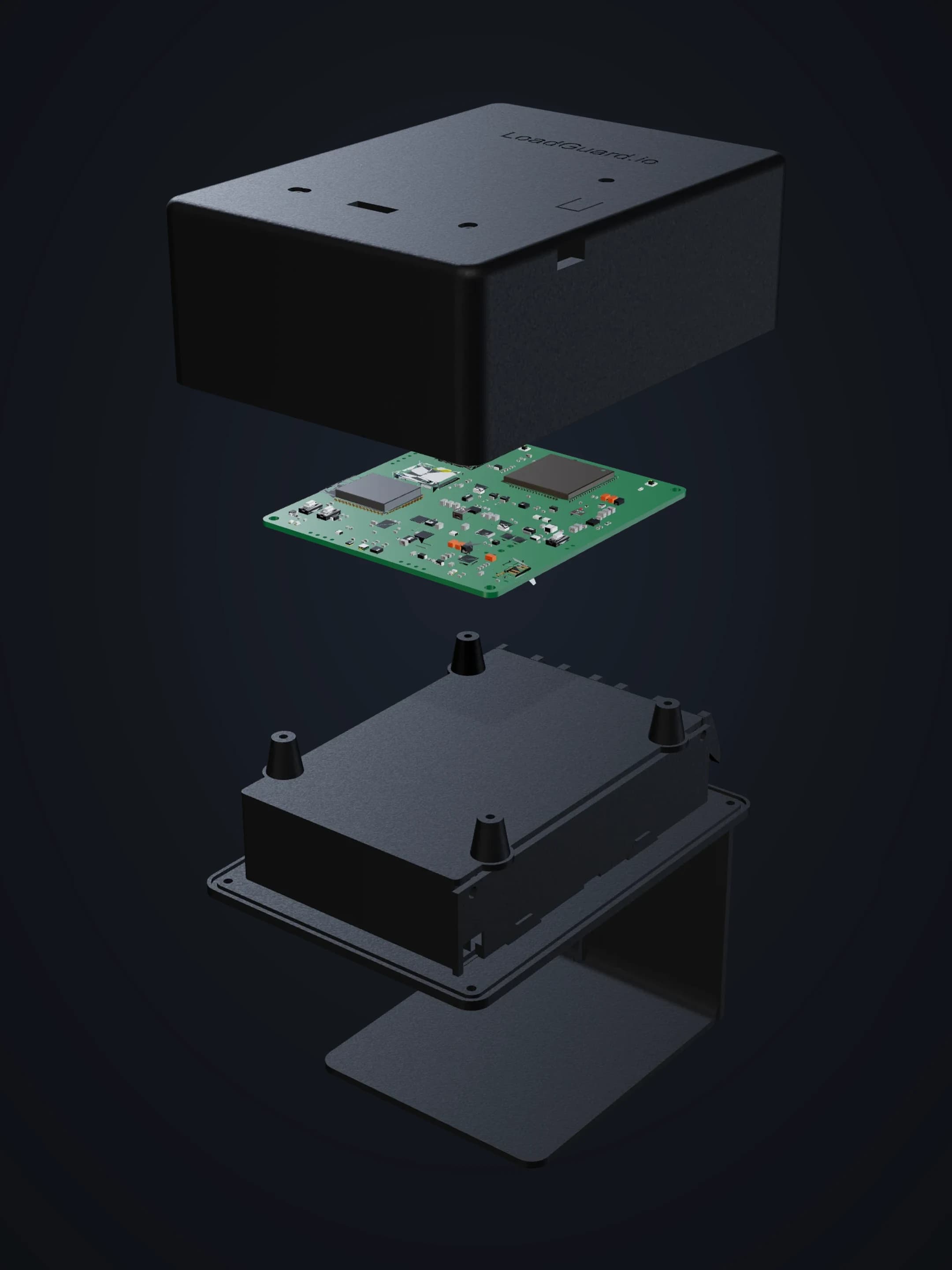
Ruggedized, battery-powered, mounted with no retrofit and no modification. It arms itself, photographs its own install, matches the ISO 6346 marking, and starts keeping records.
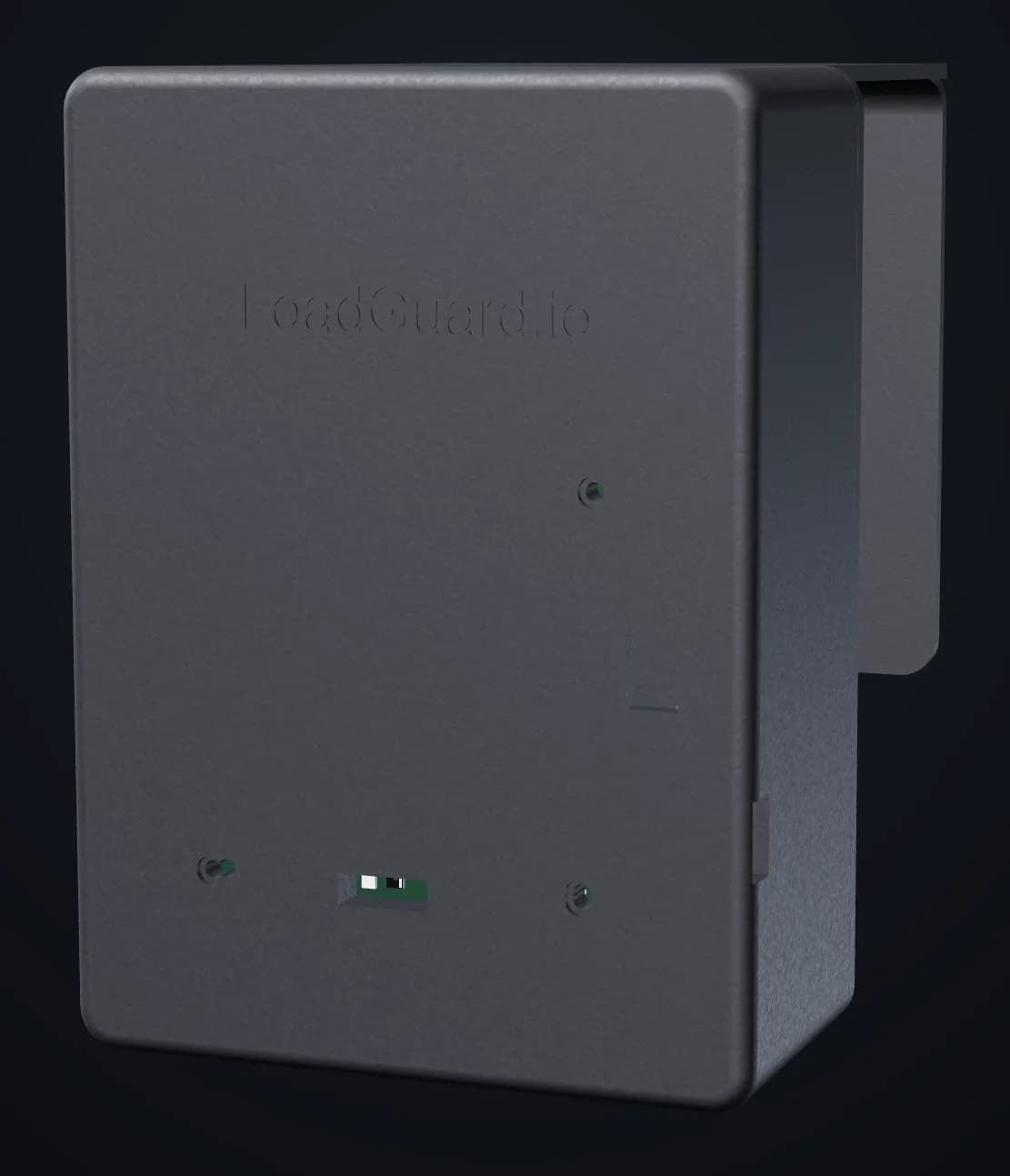
25 Ah
Battery — long voyages, no external power
~5 m
GNSS accuracy under open sky
4
Location layers: GNSS, cellular, Wi-Fi, BLE
0
Retrofit required — clips onto the door
The full physical state, every cycle.
Temperature & humidity
Sampled continuously against reefer setpoints; excursion detection on board
Atmospheric chemistry
VOC index and air quality — early ripening and contamination signals
Motion, shock & orientation
9-axis IMU: shocks, drops, vibration, tilt, and handling events
Ambient light
Door openings and tamper signal, timestamped and located
Geolocation
Multi-band, multi-constellation GNSS with cellular context
Connectivity
LTE / LTE-M / NB-IoT with fully autonomous offline operation
It doesn't wait for the cloud to notice.
01
Edge route monitoring
The device carries the planned route, waypoints, and geofences on board and evaluates its own position against them — so a deviation or unauthorized stop is detected locally, immediately, even with no connectivity. It reacts on the spot: sampling steps up, extra data is preserved, and the alert goes out the moment coverage returns.
02
Multi-source location
GNSS first — roughly five meters under open sky. Where satellites can't reach, it falls back through cell towers, Wi-Fi access points, and Bluetooth beacons, keeping location continuity in ports, warehouses, and urban canyons. With beacon infrastructure installed, that extends to zone-level indoor visibility.
03
Motion & handling intelligence
On-board ML over the 9-axis IMU classifies what the movement means: shocks, drops, aggressive handling, sustained vibration, movement after a long stop, orientation changes, loading and unloading, door interaction.
04
Adaptive collection
Energy-efficient sampling on the routine legs; a temporary high-resolution mode around anomalies — pre- and post-event buffers, extra location fixes, priority transmission. Better evidence where it matters, without spending the battery where it doesn't.
Bound to the container, timestamped, and photographed.
Step 01
Clip it on
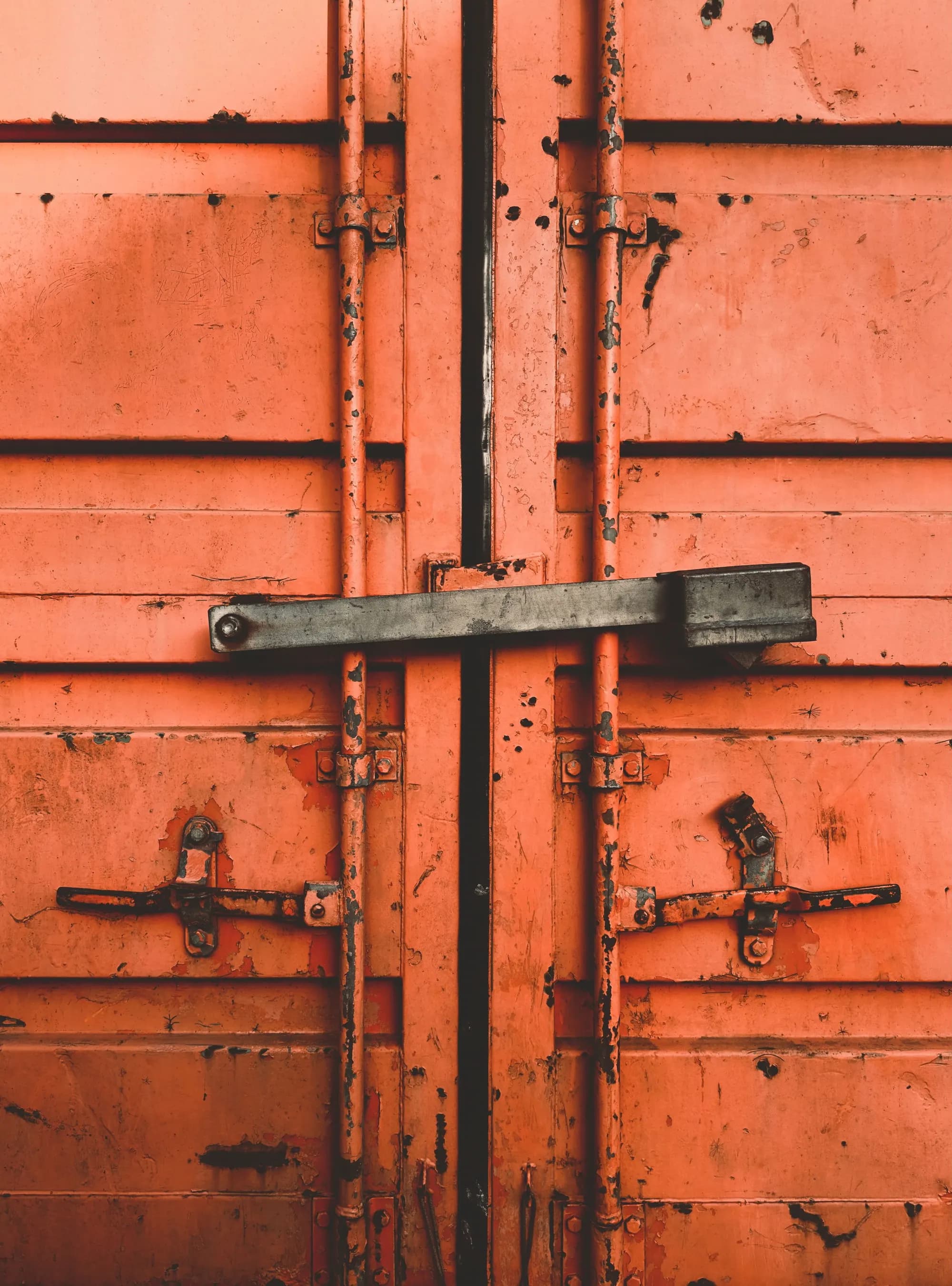
Slides onto the door of a standard container. No tools beyond the clamp, no modification, no retrofit.
Step 02
It photographs itself
The install is photographed and timestamped, and the ISO 6346 marking is matched to bind the record to this box.
Step 03
Custody opens
Cryptographic identity verified, the door sealed, and the evidence record open from that moment.